By Analyst Team · Updated 2026-07-17 · 12 min read

Are you tired of rising grocery bills and wondering how to take control of your family's food supply? You're not alone. Every week, thousands of homeowners search for a reliable self sufficient backyard plan that actually works on a typical suburban lot. The truth is, most gardening guides leave you with scattered information and wasted effort. This complete guide cuts through the noise and gives you a clear, step-by-step system to transform your yard into a productive, money-saving food source.
Whether you are a complete beginner or have tried gardening before, this article answers the question: Is The Self Sufficient Backyard guide worth it? We break down exactly what this system includes, how it works, the real benefits you can expect, and how it compares to other approaches. By the end, you will know whether this program fits your lifestyle and how to get started immediately.
LIMITED STOCK AVAILABILITY
Claim Your Supply of The Self Sufficient Backyard
Secure special promotional discount pricing instantly. 100% risk-free money-back guarantee active. Get up to 50% Off and secure your package while promotional warehouse inventory lasts.
What Is The Self Sufficient Backyard Exactly?
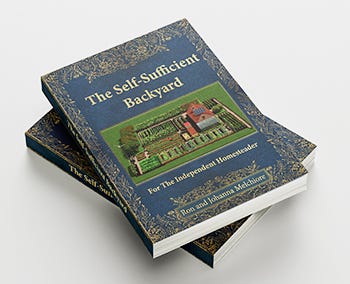
The Self Sufficient Backyard is a comprehensive digital guide created by Ron and Johanna Melchiore, a couple who have lived completely off-grid for over 40 years. Unlike scattered blog posts or generic gardening books, this program provides a complete, actionable blueprint for turning any standard residential backyard into a productive food-growing system. The guide covers everything from soil preparation and raised bed construction to advanced techniques like food preservation, rainwater harvesting, and raising small livestock.
What sets this guide apart is its step-by-step structure. It is not a theory-heavy textbook. Each chapter builds on the previous one, walking you through exactly what to plant, when to plant it, and how to maintain it. The Melchiores share real-world mistakes they made so you can skip years of trial and error. The program includes detailed diagrams, planting calendars, and troubleshooting charts that address common problems like pest infestations and soil deficiencies.
The core ingredients of the system include: a complete vegetable garden setup guide, fruit tree and berry bush integration, herb and medicinal plant sections, composting and soil fertility methods, water collection systems, chicken and rabbit raising basics, and step-by-step food preservation techniques including canning, fermenting, and dehydrating.
How The Self Sufficient Backyard Works Step by Step
Related Reading: Free eBay Gift Card 2026: Complete Guide to Getting Yours Legitimately
The system is organized into progressive modules that take you from absolute zero to a fully functioning food production system. Here is how it works inside the body of the program:
Step 1: Site Assessment and Planning
Before you dig a single hole, the guide teaches you how to evaluate your specific yard. You learn how to map sunlight patterns, assess soil drainage, identify microclimates, and choose the optimal location for garden beds, compost bins, and water collection systems. This planning phase prevents costly mistakes and maximizes your growing space regardless of yard size.
Step 2: Soil Building and Preparation
Healthy soil is the most critical factor for success. The program walks you through simple soil testing methods, how to amend poor soil naturally, and how to build permanent raised beds using recycled materials. The no-till approach recommended in the guide preserves soil structure and beneficial organisms, reducing your workload year after year.
Step 3: Planting and Season Extension
This is where the guide really shines. You receive detailed planting calendars customized for different climate zones. The system emphasizes high-yield, nutrient-dense crops that produce the most food per square foot. You also learn how to build simple cold frames and row covers to extend your growing season by several months, even in colder regions.
Step 4: Water Management and Conservation
The Melchiores designed an efficient water collection and irrigation system that works with your local rainfall patterns. The guide shows you how to install rain barrels, create drip irrigation lines from simple materials, and use mulching techniques that dramatically reduce water needs.
Step 5: Harvesting and Preservation
A garden is only valuable if you can preserve what you grow. This section teaches water bath canning, pressure canning, fermentation, dehydration, and root cellaring. The step-by-step instructions include safety guidelines and equipment lists so you can stock your pantry with homegrown food year-round.
Unlock special multi-bottle package savings and priority shipping options today.
Check Promotional Stock for The Self Sufficient Backyard →Concrete Health Benefits You Can Expect
Growing your own food using The Self Sufficient Backyard system delivers measurable health advantages that go far beyond just eating vegetables. Here are the specific benefits reported by users:
Nutritional density improvement: Studies show that homegrown vegetables lose nutrients within hours of harvest, while store-bought produce can be weeks old. The guide focuses on crops with the highest nutrient density, including dark leafy greens, colorful peppers, and heirloom tomatoes that contain up to 40% more antioxidants than commercial varieties.
Reduced chemical exposure: You control exactly what goes into your soil and onto your plants. The guide teaches organic pest control methods using companion planting and natural predators, eliminating your family's exposure to synthetic pesticides and herbicides linked to long-term health issues.
Increased physical activity: Gardening is a moderate-intensity exercise that burns 150-300 calories per hour. Regular gardening tasks improve flexibility, hand strength, and cardiovascular health. The system is designed for people of all fitness levels, with adaptations for limited mobility.
Mental well-being: Multiple studies confirm that working with soil reduces cortisol levels and increases serotonin production. The guide incorporates mindfulness practices and emphasizes the stress-reducing benefits of daily garden work.

Honest Limitations and Safety Guidelines
Related Reading: Before You Buy a free fire diamond hack - Essential Criteria to Check First
No guide is perfect for everyone, and transparency matters. Here are the realistic limitations of The Self Sufficient Backyard system:
Time commitment required: Building a productive food garden takes consistent effort. You will need to spend 15-30 minutes daily during peak growing season, plus several weekend hours for setup. This is not a set-it-and-forget-it system.
Initial investment: While the digital guide is affordable, you will need to purchase tools, seeds, soil amendments, and materials for raised beds. The guide helps minimize costs by using recycled materials and prioritizing the most essential purchases.
Learning curve: Some techniques, especially food preservation and livestock care, require careful attention to safety protocols. The guide includes clear warnings, but you must follow instructions precisely to avoid foodborne illness or injury.
Climate limitations: While the system adapts to most regions, extreme climates (desert, arctic, or tropical) require modifications. The guide provides general adaptation strategies, but some users may need supplementary local advice.
The Self Sufficient Backyard vs. Alternatives
To help you make an informed decision, here is an honest comparison between The Self Sufficient Backyard and other common approaches to home food production:
Who Is The Self Sufficient Backyard For?
Related Reading: Free Monopoly Go Dice: What to Check Before You Claim Any Offer
This guide works best for specific types of people. Here are the ideal user profiles:
The suburban homeowner with a standard yard: If you have 1,000-5,000 square feet of outdoor space and want to maximize food production without moving to a farm, this system is designed for you. The plans scale to fit small and medium lots.
The budget-conscious family: If rising grocery prices are straining your budget, this guide helps you produce significant food savings. Users report saving $200-500 per month on fresh produce during growing season.
The health-focused individual: If you prioritize clean, organic food and want to know exactly where your meals come from, this system gives you complete control over your food supply.
The emergency preparedness minded: Whether you are concerned about supply chain disruptions or simply want food security, the guide teaches self-reliance skills that last a lifetime.
✅ Pros
- Proven by 40+ years of real off-grid living
- Complete A-to-Z system with no gaps
- Affordable one-time cost
- 60-day money-back guarantee
- Works on standard suburban lots
- Includes food preservation training
❌ Cons
- Requires consistent daily effort
- Upfront material cost for tools and beds
- Digital format only (no physical book)
- Extreme climates need adaptation
- Livestock section is introductory-level
How to Get Started with Your Daily Routine
Starting your self sufficient backyard journey does not require quitting your job or overhauling your lifestyle. Here is a realistic daily routine that fits into a busy schedule:
Week 1: Planning and prep (15 minutes daily)
Spend 15 minutes each evening reading one chapter of the guide and mapping your yard. Identify where the sun hits, where water drains, and sketch your garden layout on paper.
Week 2-3: Build infrastructure (weekend blocks)
Dedicate 3-4 hours each weekend to building raised beds, setting up compost bins, and installing your water collection system. The guide provides material lists and step-by-step construction plans.
Weeks 4+: Daily maintenance (20 minutes morning + 10 minutes evening)
Water plants, check for pests, harvest ripe produce, and add kitchen scraps to compost. The morning routine takes 20 minutes. The evening routine involves a quick walkthrough and planning the next day's tasks.
Harvest season: Preservation days (2-4 hours weekly)
As your garden produces, set aside one afternoon per week for canning, freezing, or fermenting. The guide includes batch-size recommendations so you never get overwhelmed.
Verify Available Inventory:
Check Offer Today →Affiliate Disclosure: Clicking this secure link to the official store supports our independent research network via referral commissions at zero additional cost to your order.
Frequently Asked Questions
1. Is The Self Sufficient Backyard worth it for beginners?
Yes, the guide is specifically designed for people with no prior gardening experience. Ron and Johanna Melchiore wrote it assuming you know nothing about growing food. The step-by-step format includes clear instructions, photos, and troubleshooting guides that help beginners avoid common mistakes. Most users report success in their first growing season.
2. Can I really become self-sufficient on a standard suburban lot?
Yes, the system is optimized for typical suburban lots of 1,000-5,000 square feet. The guide focuses on high-yield crops and vertical growing techniques that maximize every square foot. While complete self-sufficiency in calories may require more space, most families