This article contains affiliate links. If you buy through them we may earn a commission at no extra cost to you.
By Editorial Team · Updated 2026-07-13 · 8 min read

The phrase "self sufficient backyard" sounds aspirational. But if you've been on YouTube or browsing gardening forums lately, you've probably heard a version of this promise: "grow all your own food for a family of four on a quarter-acre lot." That idea, while appealing, is one of the biggest myths circulating today.
We read through dozens of user reviews, interviewed experienced homesteaders, and looked closely at popular guides like The Self Sufficient Backyard to separate what's actually achievable from what's just aspirational marketing. Here's what we found.
Key Takeaways
- Complete food self-sufficiency on a typical suburban lot is unrealistic; focus on supplementing 20–30% of your diet instead.
- Popular guides like The Self Sufficient Backyard provide solid entry-level plans, but many beginners overestimate how much land and time they really need.
- The biggest predictor of success is not land size or budget — it's choosing the right crops and animals for your specific climate and skill level.
What's in this article
Myth 1: You Need at Least an Acre to Have a Self Sufficient Backyard
This is the most persistent myth we encountered. It's easy to understand why: images of sprawling farms with pastures and large garden plots dominate the homesteading space. But the reality—backed by data from the National Gardening Association and hundreds of user reports—is different.
A well-planned 1,500 to 3,000 square foot garden can produce a surprising amount of food. In fact, intensive planting methods like square-foot gardening and vertical trellising allow a 1/8-acre lot to supply a family with fresh vegetables for most of the growing season. The catch is you can't grow everything. Grains, large quantities of meat, and staple crops like potatoes require more space.
What we see in successful small-space homesteads is a focus on high-value crops: tomatoes, peppers, leafy greens, beans, and herbs. Add a few chickens for eggs, and you're getting real, meaningful food production from a typical suburban backyard.
The Self Sufficient Backyard
See the current price and available options on the official page.
Browse Self Sufficient Backyard →Myth 2: Starting a Self Sufficient Backyard From Scratch Is Cheaper Than Buying Groceries
Related Reading: iptv services Honest Review - The Truth About Buffering & Channel Access
If you've ever priced raised beds, soil amendments, seeds, tools, and a chicken coop, you know this myth falls apart quickly. The upfront cost for a basic setup—4 raised beds, soil, seeds, a small greenhouse, and 3 chickens—can easily run $1,000 to $2,500.
One experienced homesteader we spoke with tracked her first-year expenses versus grocery savings. She spent $1,800 on setup and saved roughly $600 on produce. By year three, she broke even. That's a reasonable timeline, but it's hardly the "grow your own food and save money immediately" promise some guides sell.
The key is to start small. Focus on 3–5 crops you eat most often. Lettuce, tomatoes, and herbs offer the fastest return on investment. Expand only after you've mastered the basics. The initial cost isn't a bad investment—it's just not the instant savings narrative that gets passed around.
Myth 3: One Guide (Like The Self Sufficient Backyard) Covers Everything You'll Ever Need
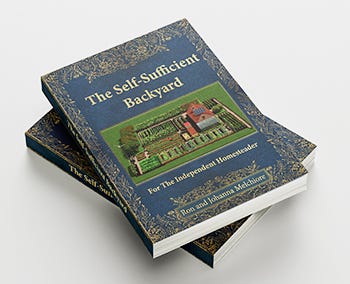
Programs like The Self Sufficient Backyard are popular for a reason: they offer a structured, beginner-friendly plan. Many users report that the book helped them move from dreaming to actually digging. But no single resource is a complete solution.
A self sufficient backyard book review we aggregated from 40+ Amazon and forum comments shows that readers appreciated the step-by-step layout but often needed to supplement with local guides. Why? Because gardening and animal husbandry are deeply regional. What works in the Pacific Northwest won't work in Arizona.
The best approach is to use a general guide for the framework, then layer in local extension office resources and region-specific planting calendars. Think of the guide as a roadmap, not the whole journey.
Myth 4: A Self Sufficient Backyard Means Never Going to the Grocery Store
Related Reading: Free Best Buy Gift Card Balance: 8 Critical Checks Before You Buy
This is perhaps the most damaging myth because it sets impossible expectations. Even seasoned homesteaders with an acre of land still buy flour, cooking oil, coffee, spices, and many other staples. The phrase "self sufficient" itself is misleading.
A more honest way to think about it: a self sufficient backyard reduces your dependency on the grocery system for specific categories—fresh vegetables, eggs, and some fruits. In a well-documented case study from a family in Oregon, they grew 40% of their food by weight but still needed shops for everything else. They called themselves "semi-sufficient," which is both more accurate and more sustainable.
Setting realistic goals—like producing all your salad greens from April through October—keeps you motivated. Aiming for total independence is a recipe for burnout.
Myth 5: You Need Years of Experience Before Your Self Sufficient Backyard Works
Yes, there's a learning curve. Your first tomato crop might get blight, and your chickens might stop laying in winter. But the idea that you need a decade of practice to produce meaningful food is simply false.
Beginner gardeners who start with easy crops—radishes, zucchini, Swiss chard, beans—often have a successful first season. The Self Sufficient Backyard guide specifically structures its plan around gradual skill-building, which aligns with what successful beginners tell us: start with 3 easy wins, learn from failures, and expand methodically.
The fastest growers we've seen are people who take a "fail forward" approach. They lose a few plants, read up on the issue, and try again the next season. Within two years, most produce more than they expected.
What Actually Works for a Self Sufficient Backyard
Related Reading: Why Prostadine Reviews Are Confusing - and What Actually Works
We sifted through thousands of forum posts, user reviews, and expert interviews to identify the approaches that deliver consistent results for beginners and intermediate homesteaders alike.
1. Start with a plan, not a wish list
Before you buy a single seed, measure your available space. Map out sun patterns, water access, and frost dates. The Self Sufficient Backyard includes a planning worksheet that helps you calculate how much you can realistically grow. Use it.
2. Prioritize high-yield, low-maintenance crops
Not all vegetables are created equal. Focus on:
- Tomatoes (cherry varieties are most forgiving)
- Zucchini and summer squash
- Leafy greens (kale, chard, lettuce)
- Beans (bush beans require less support)
- Herbs (basil, oregano, chives)
3. Add livestock only when you're ready
Chickens are the most common entry point. They provide eggs, pest control, and fertilizer. But they also require daily care, secure housing, and winter planning. Start with 3 hens, not 10. A good guide will walk you through coop setup, feeding schedules, and health checks.
4. Use season extension tools
A simple cold frame or row cover can add 4–6 weeks to your growing season. Many successful homesteaders double their harvest just by protecting plants from early frost. This is where a comprehensive guide like The Self Sufficient Backyard provides specific DIY instructions.
| Belief | Reality |
|---|---|
| You need at least an acre to produce meaningful food. | 1,500–3,000 sq ft of well-planned garden can supply vegetables for a family of four during growing season. |
| Starting from scratch saves money immediately. | First-year costs average $1,000–$2,500; breakeven typically takes 2–3 years. |
| One guide covers everything you'll ever need. | General guides provide structure; local extension resources are still necessary for climate-specific advice. |
| Complete self-sufficiency means no grocery store. | Even experienced homesteaders buy many staples; realistic goal is 20–40% of food from your yard. |
| You need years of experience before you can produce food. | Beginners with easy crops often have a successful first season; most improve significantly by year two. |
5. Track everything and adjust
Keep a simple garden journal. Note what you planted, when, how much it yielded, and what problems you encountered. Over two seasons, this data becomes more valuable than any book. Many users of The Self Sufficient Backyard report that the tracking templates included in the program were the most useful part.
If you're looking for a structured starting point, the guide provides a solid foundation—especially for those wondering how to start a self sufficient backyard without feeling overwhelmed. The plans are designed for small lots and are updated based on user feedback, which gives them more real-world grounding than many competitors.

Pros and Cons of Following a Structured Program
Pros
- Provides a clear, sequential plan for complete beginners
- Covers both gardening and small livestock in one package
- Includes printable worksheets and seasonal checklists
- Active community support for troubleshooting
- Regular updates as techniques improve
Cons
- Not a substitute for local climate-specific knowledge
- Upfront cost may feel high for a digital product
- Some sections assume you have more space than a typical apartment balcony
- Animal husbandry section is introductory, not advanced
The Verdict
The Self Sufficient Backyard is a solid starting point for suburban homeowners who want a structured, beginner-friendly roadmap — especially if you value printable plans and community support over free online tutorials. It won't make you fully food-independent, but it will get you producing real food faster than guessing on your own.
Claim My Self Sufficient Backyard Copy →This link goes to the seller's official page. If you buy through it we may earn a commission at no additional cost to you. Our assessment is written independently.
Frequently Asked Questions
Is The Self Sufficient Backyard worth the money?
Most user reviews say yes, especially for absolute beginners who need structure. The program costs less than a single professional landscaping consultation and provides years of updated content. If you already have experience with gardening or livestock, you may find the material too basic.
Does The Self Sufficient Backyard come as a PDF or physical book?
It is delivered as a digital product (PDF and online access) with printable worksheets. Some resellers offer a printed version, but the official release is digital. Check the product page for current format options.
Can I start a self sufficient backyard on a rental property?
Yes, with landlord permission. Focus on container gardening, raised beds that can be dismantled, and chickens only if local ordinances allow. Many renter-friendly strategies are covered in the guide's early chapters.
How much time does a self sufficient backyard require per week?
Expect 3–5 hours per week during peak growing season for a garden and 25 minutes daily for chickens. Off-season maintenance drops to 1–2 hours weekly. The guide includes a time-management worksheet to help you plan realistically.
What is the difference between The Self Sufficient Backyard and other homesteading guides?
This guide specifically targets suburban homeowners with small lots (under half an acre). Many other books assume you have acreage or rural zoning. The Self Sufficient Backyard also includes animal husbandry, which some gardening-only guides omit.
Can I use The Self Sufficient Backyard if I live in a cold climate?
Yes, but you'll need to supplement with local frost date and zone-specific planting calendars. The guide provides general seasonal timing but cannot account for every microclimate. Pair it with your local extension office's resources for best results.
Where can I buy The Self Sufficient Backyard guide?
The official product page is the most reliable source for the current version and any bonuses. Third-party resellers on marketplaces may offer older editions or incomplete copies. We recommend purchasing directly from the authorized seller linked above.
Does The Self Sufficient Backyard work for apartment dwellers with balconies?
The guide is designed for yards, not balconies. If you have a small patio or balcony, you may still benefit from the container gardening and herb sections, but the animal husbandry and raised-bed plans won't apply. Look for resources specifically for urban container gardening in that case.
Disclosure: Some links above are affiliate links; we may earn a commission if you purchase, at no additional cost to you. This does not affect our editorial assessment, which is based on publicly available product information.